HOME > FAQ > FAQ > How Titanium Fluoride Mold Surface Treatment Improves Existing Injection Molding Technology ?
How Titanium Fluoride Mold Surface Treatment Improves Existing Injection Molding Technology ?
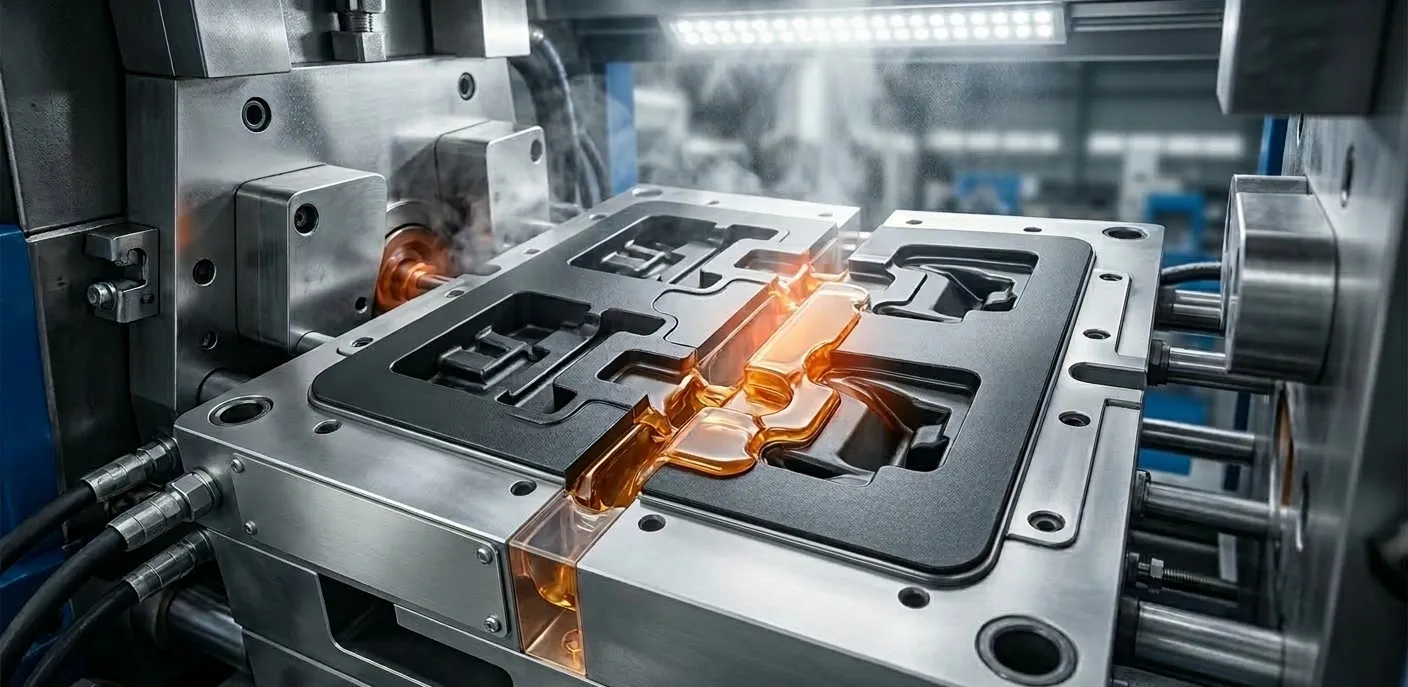
a. Ultra-Low Friction Coefficient: Provides superior self-lubrication without the need for any external lubricants, delivering exceptional wear resistance and extending mold life.
b. Excellent Anti-Adhesion: Ensures consistent demolding performance for resin materials such as DAT, plastics including LCP, PP, PE, PBT, PET, ABS, as well as rubber, completely eliminating the need for mold release agents.
c. Enhanced Material Flow: Achieves unprecedented cavity-filling efficiency and full mold utilization.
d. Anti-Static Properties: Nitrogen/titanium fluoride surfaces possess outstanding anti-static characteristics, effectively preventing dust contamination.
e. Composite Particles: Particle size 0.3–1.0 μm, composite ratio 20–25 vol%, plating thickness 3–1 μm.
f. Ultra-Fine Lubricant Particles: Embedded within the metal coating, distributed uniformly across the surface, cross-sections, and fracture planes.
g. High-Temperature Resistance: Injection molding temperatures up to 350°C can be achieved.
b. Excellent Anti-Adhesion: Ensures consistent demolding performance for resin materials such as DAT, plastics including LCP, PP, PE, PBT, PET, ABS, as well as rubber, completely eliminating the need for mold release agents.
c. Enhanced Material Flow: Achieves unprecedented cavity-filling efficiency and full mold utilization.
d. Anti-Static Properties: Nitrogen/titanium fluoride surfaces possess outstanding anti-static characteristics, effectively preventing dust contamination.
e. Composite Particles: Particle size 0.3–1.0 μm, composite ratio 20–25 vol%, plating thickness 3–1 μm.
f. Ultra-Fine Lubricant Particles: Embedded within the metal coating, distributed uniformly across the surface, cross-sections, and fracture planes.
g. High-Temperature Resistance: Injection molding temperatures up to 350°C can be achieved.
-
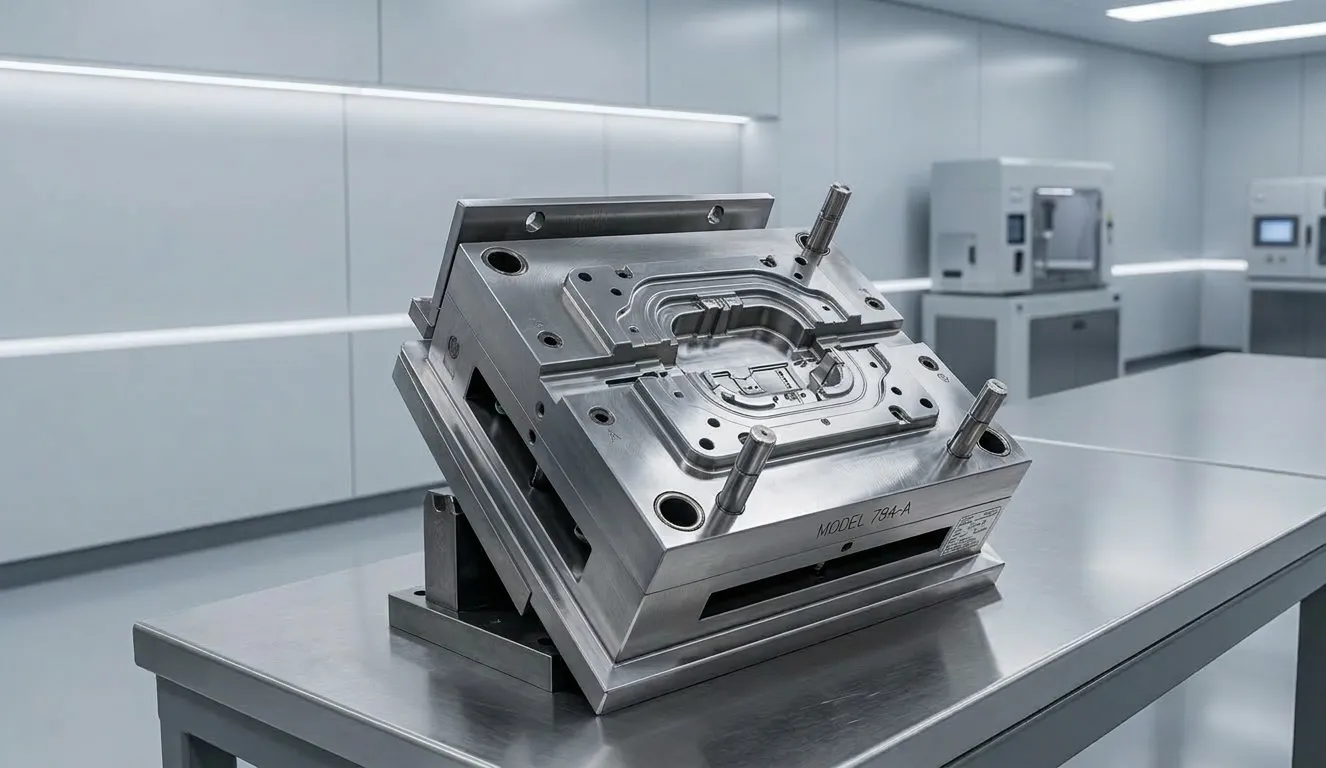
Why Apply Titanium Fluoride (TiF) Plating on Molds? Why Are 100% of Japanese Precision Molds Surface-Treated?
-

Why Apply Nitrogen/Teflon (Nitrofluorine) Plating to Injection Molding Screws?
-

How does Pinjack manage the NPI process to ensure quality and on-time delivery?
-
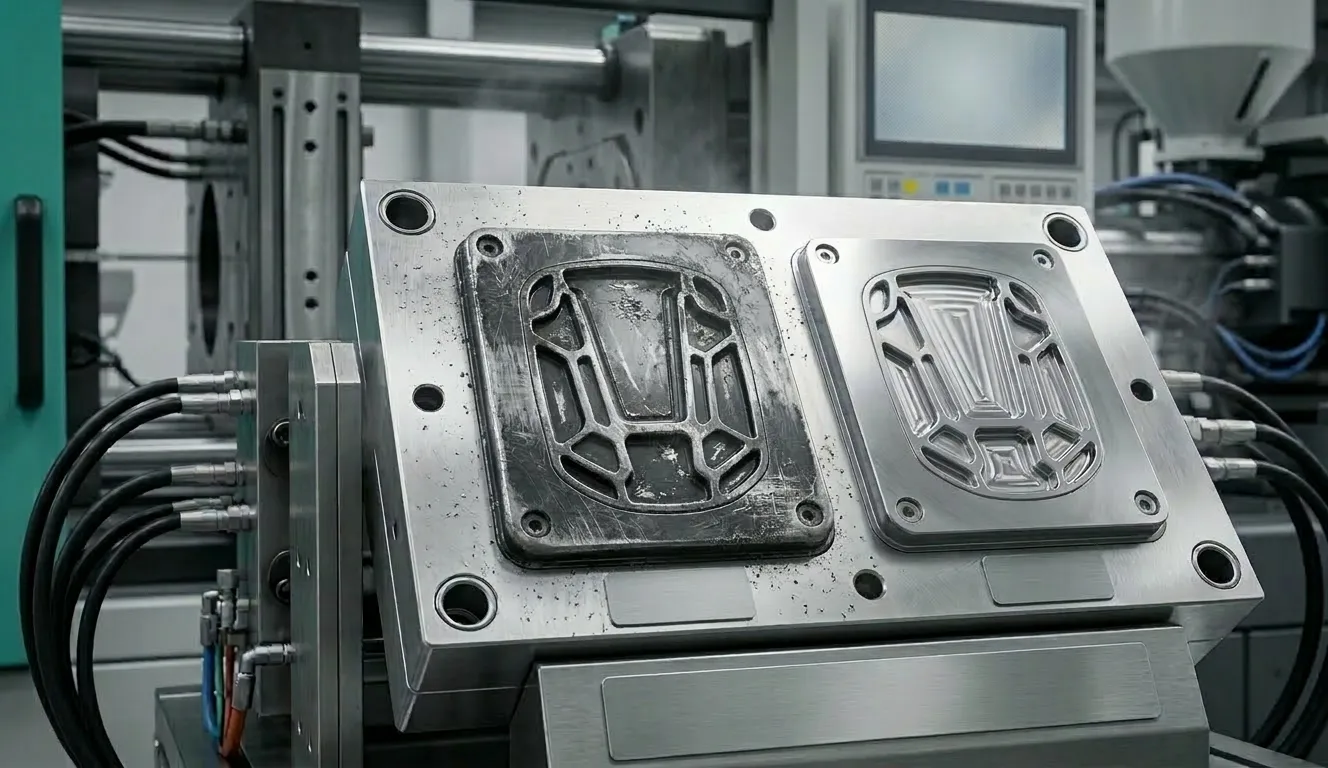
Wear Resistance, Lubricity, and Smoothness of Mold Inserts After Teflon (PTFE) Treatment